Acoustical Ceiling Market: Where Design Meets Silence
In today’s fast-paced and noise-dominated environments—be it bustling office spaces, busy classrooms, or vibrant commercial hubs—the need for calm, comfort, and clear communication is more essential than ever. That’s where acoustical ceilings industry come into play, subtly transforming spaces by enhancing sound quality and minimizing noise disturbances.
What Are Acoustical Ceilings?
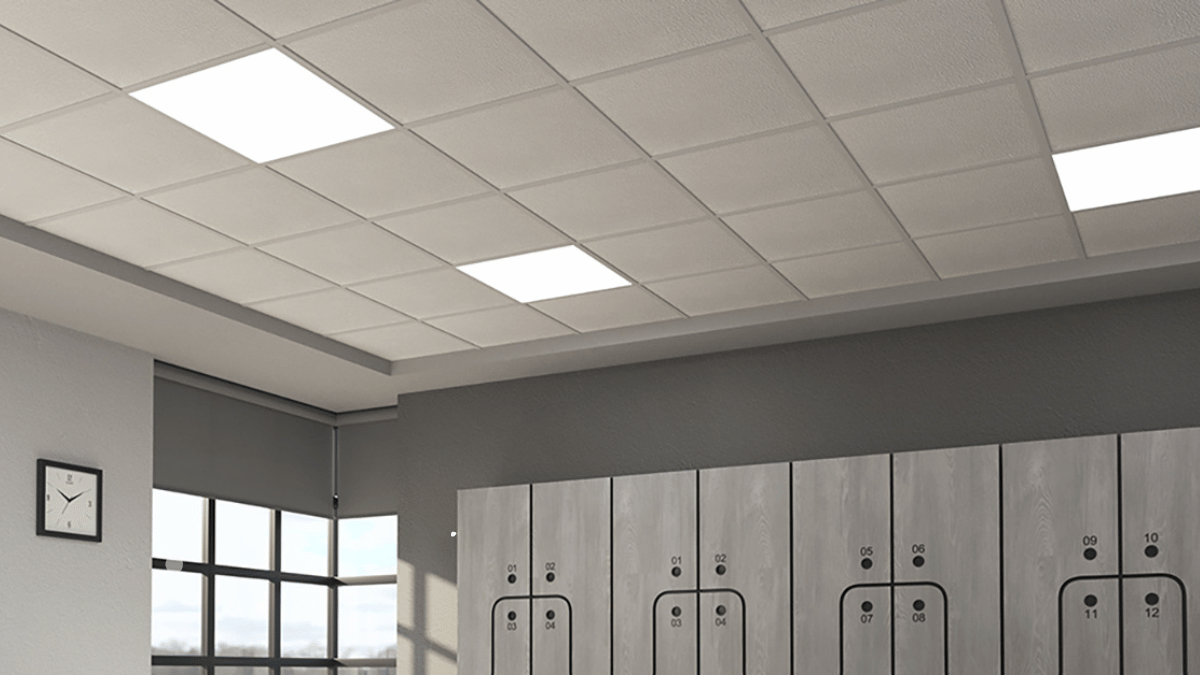
Acoustical ceilings are specialized ceiling systems designed not just to cover infrastructure but to absorb and diffuse sound, reduce echoes, and enhance the acoustic environment of a room. Typically made from materials like fiberglass, mineral fiber, or foam, these ceilings play a pivotal role in regulating sound within interior spaces.
Whether it’s an open-plan office or a hospital corridor, acoustical ceilings help improve speech intelligibility, concentration, and overall comfort—making them indispensable in both commercial and institutional settings.
Aesthetic + Functional: A Dual Advantage
Modern architects and designers are increasingly choosing acoustical ceilings not just for their functionality but also for their visual versatility. Available in a variety of textures, patterns, and colors, these ceilings can be customized to complement almost any interior style—from minimalist corporate environments to avant-garde creative studios.
Moreover, modular systems have made installation easier, while offering flexibility in design, repair, and maintenance. Some even feature integrated lighting, HVAC access, and eco-friendly components to cater to growing green building needs.
Driving Forces Behind the Market Growth
The acoustical ceiling market is experiencing robust interest due to several interlinked factors:
- Open Space Architecture: The trend toward open layouts in offices and public buildings demands better sound control without compromising visual openness.
- Health and Wellness: With increased attention on mental well-being, noise control is being prioritized in environments like hospitals, schools, and wellness centers.
- Sustainability Goals: Eco-conscious ceiling tiles made from recycled and low-emission materials are being widely adopted.
- Tech Integration: Some ceiling systems now come with smart sensors and IoT integration for climate and noise monitoring.
- Post-Pandemic Building Standards: More attention is being paid to indoor comfort, privacy, and productivity, pushing acoustical upgrades across industries.
Industry Applications Expanding Rapidly
From large auditoriums to compact retail stores, acoustical ceilings have a presence across a spectrum of use cases. Key sectors benefiting from this trend include:
- Corporate & Office Spaces: Enhancing productivity and minimizing distractions.
- Healthcare Facilities: Promoting healing environments through quiet and calm.
- Educational Institutions: Supporting clear communication in classrooms and lecture halls.
- Hospitality & Retail: Offering a better experience for customers through improved ambiance.
- Residential Spaces: Gaining popularity in high-rise homes and luxury apartments for privacy and peace.
Trends to Watch: The Future Sounds Bright
As innovation continues to reshape the acoustical ceiling landscape, a few trends are set to define its future:
- 3D Acoustic Designs: Combining artistic flair with acoustic science for expressive ceiling features.
- Hybrid Systems: Multi-functional ceiling panels offering soundproofing, lighting, and even air purification.
- Biophilic Materials: Nature-inspired textures and materials that promote both wellness and sound comfort.
- Digital Acoustic Mapping: Using AI and machine learning to analyze and optimize interior acoustics before installation.
The acoustical ceiling market is no longer just about sound—it’s about shaping smarter, quieter, and more aesthetically pleasing environments. With growing awareness around acoustic health and the need for serene interior spaces, this segment is quietly transforming the way we design and inhabit the built environment.
In an age where every detail matters, acoustical ceilings prove that sometimes the most powerful innovations are the ones you barely notice—but always feel.
 Ask Ways