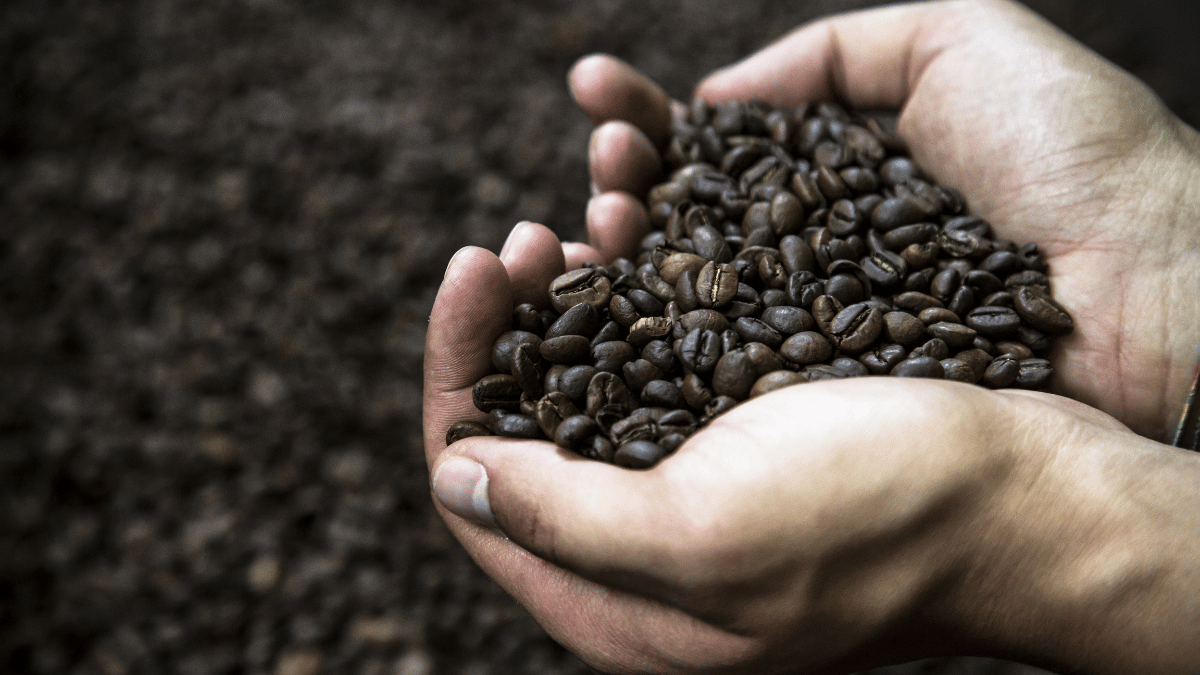
Colombia Coffee Market – A Deep Dive into One of the World’s Coffee Giants
- Colombia stands as one of the most iconic names in the global coffee industry, revered for its high-quality Arabica beans, unique growing conditions, and rich coffee culture.
- Coffee is not just a commodity in Colombia—it’s an integral part of the nation’s heritage, economy, and international image.
- As the global coffee landscape evolves, Colombia’s market continues to adapt through innovation, sustainability efforts, and expanding domestic consumption.
Historical Importance and Cultural Role
Coffee cultivation in Colombia dates back to the early 19th century and has since become a national symbol. The image of “Juan Valdez,” the fictional coffee farmer, remains a global ambassador of Colombian coffee. The country’s mountainous terrain, tropical climate, and rich volcanic soil create ideal conditions for cultivating mild, flavorful Arabica beans.
The coffee sector has historically played a critical role in rural development and economic stability. Over the decades, it has helped structure cooperatives, supported infrastructure development, and created millions of jobs.
Market Segmentation
By Type
Colombian coffee industry is primarily known for 100% Arabica production, offering nuanced flavors with medium acidity and strong aromatic profiles. There is increasing segmentation based on bean quality—ranging from standard export beans to high-end specialty coffee varieties.
By Distribution Channel
The market is distributed across domestic consumption and international exports. While exports dominate, the domestic retail sector, including cafés, supermarkets, and e-commerce platforms, is rapidly growing, fueled by changing urban consumer preferences and an emerging café culture.
By End-Use
End-users include commercial roasters, specialty coffee shops, instant coffee manufacturers, and ready-to-drink (RTD) beverage producers. Specialty and single-origin coffees are seeing increased interest from discerning global buyers.
Key Trends Shaping the Colombian Coffee Market
1. Rise in Specialty and Organic Coffee
The global surge in specialty coffee demand is benefiting Colombian farmers who grow premium, traceable varieties. Certification standards such as organic, Rainforest Alliance, and Fair Trade are becoming commonplace, helping producers fetch better prices and access niche markets.
2. Domestic Consumption Growth
Traditionally an export-focused industry, Colombia is now witnessing a rise in local coffee appreciation. Urbanization, millennial consumer trends, and boutique coffee chains are fueling a vibrant domestic coffee scene.
3. Technological Advancements in Farming
Digital tools, precision agriculture, and mobile-based agronomic assistance are helping small-scale farmers improve yields, manage pests, and optimize production. Tech adoption is enhancing sustainability and reducing environmental impact.
4. Sustainability and Ethical Practices
Climate change has posed challenges, leading to increased focus on climate-resilient crops and eco-friendly farming practices. Colombia’s coffee sector has prioritized reforestation, water conservation, and social equity for farmers.
5. Expansion of Export Markets
While the U.S., Germany, and Japan remain major importers, Colombian coffee is expanding into new markets in Asia, the Middle East, and Northern Europe. This diversification strengthens resilience against market volatility.
Challenges Faced by the Market
- Climate Change Impacts: Shifts in rainfall patterns and rising temperatures affect flowering and harvesting cycles, increasing vulnerability to diseases like coffee rust.
- Volatile Global Prices: As a commodity, coffee prices fluctuate globally, impacting farmer incomes and investment stability.
- Logistical and Infrastructure Issues: Rural connectivity and supply chain inefficiencies sometimes hinder optimal export operations.
- Labour Shortages: Young people are increasingly moving away from coffee farming, leading to labor scarcity in rural plantations.
Government and Institutional Support
Colombia’s National Federation of Coffee Growers (FNC) plays a pivotal role in supporting farmers through price stabilization mechanisms, quality control, training, and research. Government programs also promote replanting initiatives and farmer welfare to maintain long-term sector viability.
Outlook and Opportunities
The outlook for the Colombian coffee market remains strong, driven by increasing demand for high-quality and ethically sourced beans. Innovations in processing, branding, and value addition provide significant growth opportunities. Furthermore, sustainability certifications and traceability are enabling Colombian coffee to command premium prices on international platforms.
As the world becomes more quality-conscious and ethically aware, Colombia’s coffee—backed by tradition, excellence, and innovation—is well-positioned to maintain and expand its legacy in the global market.





 Ask Ways