What is the Compression Therapy Market?
The Compression Therapy Market encompasses products, technologies, and services designed to improve blood circulation, manage chronic venous disorders, and support recovery from injuries. Compression therapy involves applying controlled pressure to limbs or specific body areas, typically using specialized garments, bandages, or devices. This approach helps reduce swelling, prevent the formation of blood clots, and alleviate discomfort in patients with vascular or lymphatic conditions.
Compression therapy has become an integral part of modern healthcare, spanning applications in hospitals, clinics, home care settings, and rehabilitation centers. Its broad adoption is driven by the need for non-invasive, cost-effective treatments that can complement other medical interventions.
How Do Treatments and Technologies Work in This Market?
The Compression Therapy Market offers a variety of products and technological solutions tailored to different patient needs. Core offerings include compression stockings, sleeves, gloves, bandages, pneumatic compression devices, and advanced wearable systems. Each product is designed to exert precise levels of pressure, often graded to mimic natural blood flow patterns.
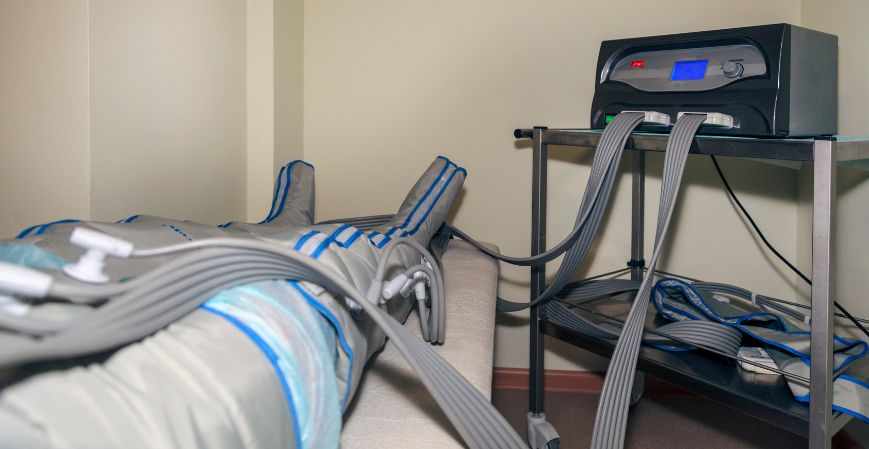
Technologies in this space are increasingly sophisticated. For example, intermittent pneumatic compression (IPC) devices deliver controlled inflation and deflation cycles to promote venous return, while smart compression systems can adjust pressure in real time based on patient activity or physiological feedback. The integration of materials science and wearable technology has enabled more comfortable, durable, and effective solutions, improving patient adherence and overall treatment outcomes.
Why is This Market Significant in Healthcare?
The significance of the Compression Therapy Market lies in its ability to address several critical healthcare challenges. Chronic venous insufficiency, lymphedema, deep vein thrombosis, and post-surgical edema are conditions that impact patient mobility, quality of life, and long-term health. Compression therapy provides a non-invasive, low-risk intervention that helps manage these conditions effectively.
Beyond clinical treatment, compression therapy contributes to preventative care. For instance, patients at risk of blood clots during prolonged immobility—such as after surgery or during extended travel—benefit from timely intervention. The market’s offerings not only aid recovery but also reduce the burden on healthcare systems by minimizing hospital readmissions and enhancing home-based care.
How Do Patients and Providers Benefit from These Treatments?
Patients gain both physiological and lifestyle benefits from compression therapy. Reduced swelling, pain relief, improved circulation, and accelerated recovery from injuries are among the primary advantages. The comfort, ease of use, and accessibility of modern compression products further support patient adherence, making therapy more effective over time.
Healthcare providers also benefit through improved treatment efficiency and patient outcomes. Compression therapy complements other interventions, reducing the need for more invasive procedures and enhancing the overall care continuum. Clinicians can customize treatment regimens based on patient-specific needs, leveraging devices with adjustable pressure settings or smart feedback features. For home healthcare providers, portable compression systems enable continuous monitoring and care, supporting a shift toward decentralized treatment models.
What Are the Emerging Trends and Future Directions in This Market?
The Compression Therapy Market is evolving in response to technological advancements, patient demand, and clinical insights. Some emerging trends include:
- Smart Compression Devices: Integration of sensors, IoT, and AI allows real-time pressure adjustments, tracking, and remote monitoring for better treatment adherence.
- Innovative Materials: Development of lightweight, breathable, and durable fabrics enhances comfort, especially for long-term wear.
- Personalized Therapy Solutions: Tailored compression regimens based on patient-specific anatomy and condition are becoming more common.
- Expansion into Home Care: Portable and user-friendly devices support home-based recovery and preventive care, reducing dependence on clinical visits.
- Combined Therapies: Collaboration with rehabilitation and physiotherapy programs enhances treatment outcomes for vascular and musculoskeletal conditions.
The future of the compression therapy market will likely focus on improving patient-centric care, integrating data-driven monitoring, and expanding into preventative and wellness applications. Continued innovation in device design, materials, and technology will play a key role in shaping how patients and providers interact with compression therapy solutions.
 Ask Ways