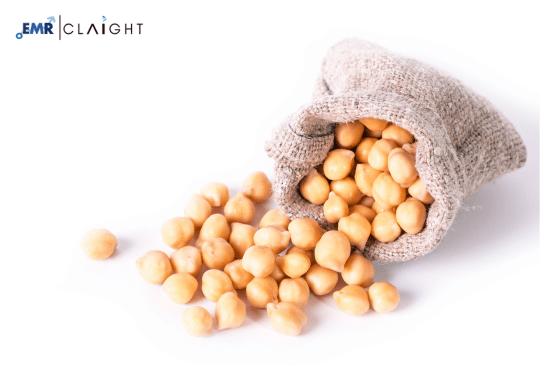
According to the report by Expert Market Research (EMR), the global chickpeas market attained a volume of over 14.08 million tons in 2024. Aided by increasing consumer preference for plant-based proteins and the growing applications of chickpeas in various culinary and industrial sectors, the market is projected to grow at a CAGR of 1.30% between 2025 and 2034 to reach a volume of 16.02 million tons by 2034.
Chickpeas, also known as garbanzo beans, are legumes widely cultivated across Asia, Africa, and parts of Europe and the Americas. Rich in protein, fibre, vitamins, and minerals, chickpeas are a crucial dietary component in vegetarian and vegan diets. In recent years, chickpeas have garnered global attention due to their role in promoting sustainable agriculture and plant-based nutrition. With the increasing focus on health, sustainability, and food security, chickpeas are emerging as a strategic crop with significant commercial potential.
Market Size
The global chickpeas market has expanded steadily over the past decade, supported by robust domestic consumption in countries like India and growing exports to regions such as North America and Europe. In 2024, the market reached a volume of more than 14.08 million tons. As plant-based diets continue to gain momentum and chickpeas become a key ingredient in products such as hummus, falafel, snacks, and gluten-free flour, the market is poised for consistent growth. By 2034, it is expected to reach a volume of approximately 16.02 million tons.
Get a Preview with a Free Sample Report
Market Share
India dominates the global chickpeas market, both in terms of production and consumption. The country accounts for a substantial share of global output, supported by favourable agro-climatic conditions and a long-standing cultural affinity for pulses. Other major producers include Australia, Turkey, Pakistan, and Ethiopia. Australia, in particular, plays a key role in global exports, supplying large volumes of kabuli chickpeas to markets in South Asia and the Middle East.
In terms of consumption, Asia Pacific holds the largest share, followed by the Middle East and Africa. The increasing popularity of Mediterranean and Middle Eastern cuisines in North America and Europe has also led to a surge in demand for chickpeas in those regions, particularly in the form of ready-to-eat meals, canned products, and plant-based protein alternatives.
Market Trends
One of the most significant trends in the global chickpeas market is the growing demand for plant-based proteins. With rising health concerns and increasing environmental awareness, consumers are shifting away from animal-based proteins. Chickpeas, being rich in protein and naturally gluten-free, are increasingly being incorporated into meat substitutes, protein bars, and dairy-free spreads.
The popularity of ethnic foods, particularly Mediterranean, Indian, and Middle Eastern cuisines, has boosted chickpea consumption globally. Dishes such as hummus, chana masala, and falafel are now mainstream in Western markets, leading to increased demand for chickpea-based ingredients in the foodservice and retail sectors.
There is also a growing trend towards convenience-oriented packaging, including canned chickpeas, ready-to-eat meals, and pre-cooked frozen varieties. These products appeal to busy consumers seeking nutritious, easy-to-prepare meals. Additionally, chickpea flour is gaining traction as a versatile ingredient in gluten-free baking and cooking.
Organic and non-GMO chickpeas are also becoming more popular among health-conscious consumers. Producers are responding by offering certified organic options to meet growing demand in markets such as Europe and North America.
Drivers of Growth
The rising awareness of the health benefits associated with chickpeas is a major driver of market growth. Chickpeas are an excellent source of plant-based protein, dietary fibre, and essential nutrients such as folate, iron, and magnesium. Their low glycaemic index and cholesterol-lowering properties make them ideal for individuals managing diabetes, heart disease, or weight loss goals.
Increasing vegan and vegetarian populations worldwide are fuelling demand for legumes as meat alternatives. Chickpeas, due to their versatility and protein content, are becoming a staple in plant-based product development. Their use in alternative dairy, meat substitutes, and protein-enriched snacks is expanding rapidly.
The push for sustainable agriculture is also supporting chickpea cultivation. As nitrogen-fixing crops, chickpeas improve soil fertility and reduce the need for synthetic fertilisers. Their resilience to arid climates and low water requirements make them suitable for regions facing water scarcity and climate stress, positioning chickpeas as a sustainable crop for the future.
Furthermore, government initiatives promoting pulse cultivation are aiding market expansion. In India, for example, schemes like the National Food Security Mission (NFSM) have contributed to increased chickpea acreage and productivity. Export incentives and trade agreements are also supporting international trade flows.
Market Key Players
The global chickpeas market features a mix of multinational corporations, regional exporters, cooperatives, and local suppliers. Key market participants are focusing on enhancing supply chain efficiency, investing in advanced processing facilities, and expanding their product offerings to meet evolving consumer demands. Some of the major players in the global chickpeas market include:
- AGT Food and Ingredients
- BroadGrain Commodities, Inc.
- The Wimmera Grain Store
- Others
These companies are engaged in processing, packaging, and exporting chickpeas in various forms, including whole, split, canned, and flour. Emphasis is being placed on traceability, quality control, and organic certification to meet the stringent requirements of international markets.
Challenges and Opportunities
Despite its growth potential, the chickpeas market faces several challenges. One major issue is climate variability, which can lead to inconsistent yields and supply disruptions. Chickpeas are susceptible to pests and diseases, particularly in regions with inadequate agronomic support or input infrastructure.
Price volatility, influenced by seasonal production and export dynamics, can also affect market stability. For instance, heavy dependence on a few major producers like India and Australia can create supply bottlenecks when production declines.
Furthermore, limited processing infrastructure in some producing regions restricts value addition and export potential. Smallholder farmers often lack access to modern storage, grading, and packaging facilities, which affects quality and shelf life.
However, these challenges also present opportunities for investment and innovation. Technological advancements in seed breeding, pest management, and climate-resilient cultivation practices can significantly boost productivity. The promotion of contract farming, farmer cooperatives, and public-private partnerships can enhance supply chain integration and improve market access.
Expanding applications of chickpeas in processed foods, plant-based nutrition, and specialty ingredients offer lucrative growth prospects. Increasing demand for chickpea flour in gluten-free baking and its use in protein fortification can open new revenue streams. Furthermore, organic and fair-trade certified chickpeas are gaining attention in premium consumer segments.
Market Forecast
The global chickpeas market is expected to maintain a stable growth trajectory over the forecast period of 2025-2034. With a projected CAGR of 1.30%, the market volume is anticipated to grow from 14.08 million tons in 2024 to around 16.02 million tons by 2034. Continued demand from traditional markets, rising health and environmental awareness, and expanding applications in food processing will be key factors propelling growth.
Asia Pacific will likely remain the dominant region in terms of both production and consumption, while North America and Europe are expected to see increased demand for processed chickpea products, including snacks, flour, and convenience meals. Improved logistics, digital marketplaces, and cold chain infrastructure will further facilitate international trade and consumer access.
 Ask Ways